Welcome to iMapInvasives

Content for the iMapInvasives home page.

Purple loosestrife quickly establishes and spreads, outcompeting and replacing native grasses and other flowering plants that provide high quality food and habitat sources for wildlife. It forms dense stands that restrict native wetland plants and alters the structural and ecological values of wetlands. (Pennsylvania's Field Guide to Aquatic Invasive Species)
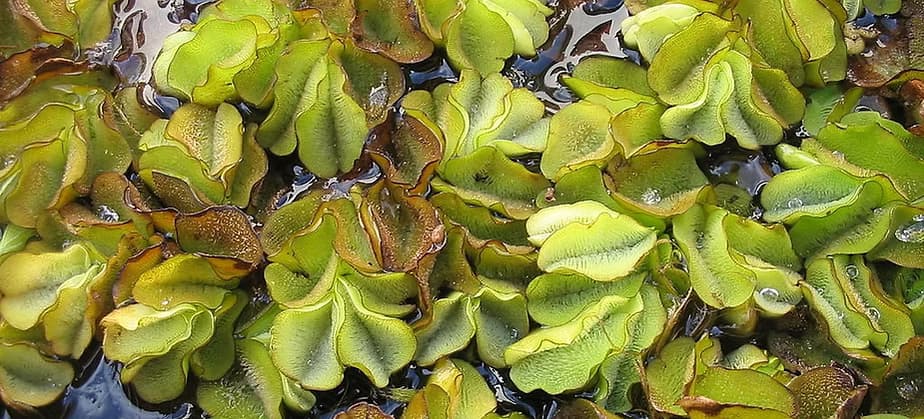
This floating aquatic fern can form dense vegetation mats that reduce water-flow and lower light and oxygen levels in water. This stagnant dark environment negatively affects the biodiversity and abundance of freshwater species, including fish and submerged aquatic plants. Salvinia invasions can alter wetland ecosystems and cause wetland habitat loss. (ISSG.org)
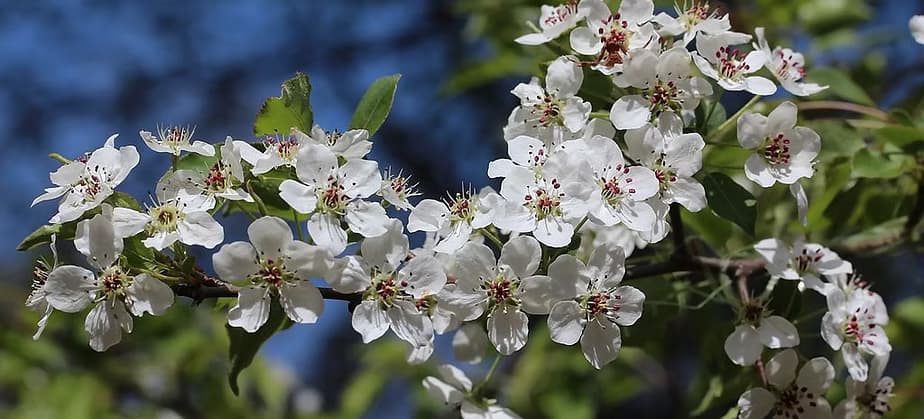
Native to Asia, callery pear is one of the most commonly used ornamental trees in the urban landscape in the USA. Thought to be a very low invasive threat as recent as the early 1990's, cultivars are producing viable seed banks at an increasing rate and now are considered invasive in several states. (ISSG.org)
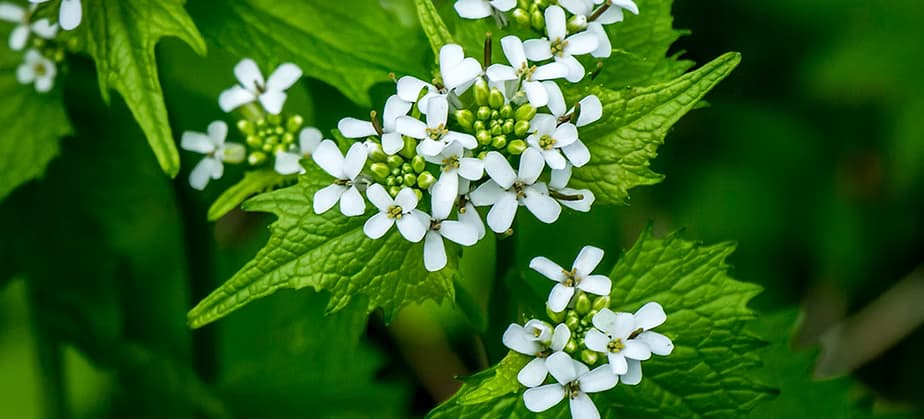
Garlic mustard can form dense stands because it has no natural predators, and it thrives in disturbed areas. In many forest areas of the eastern and midwestern USA, garlic mustard outcompetes native plants for light, nutrients, moisture and soil. Wildlife species dependant on these native plants for food are left without these valuable resources. (ISSG.org)
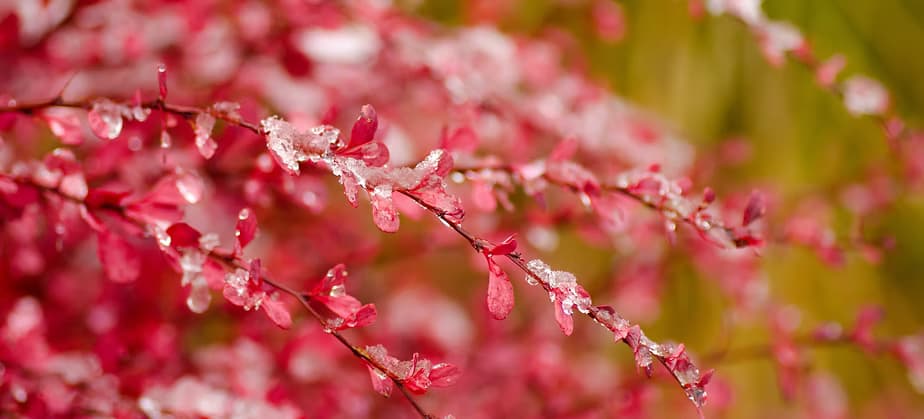
Japanese barberry is a popular ornamental plant and is present in gardens, parks, forests, and nature preserves. When it escapes into natural areas, its highly shade tolerant nature helps it to form dense stands in a variety of habitats, including closed canopy forests and open woodlands, wetlands, pastures, meadows and wastelands and displaces native herb and shrub species. (ISSG.org)
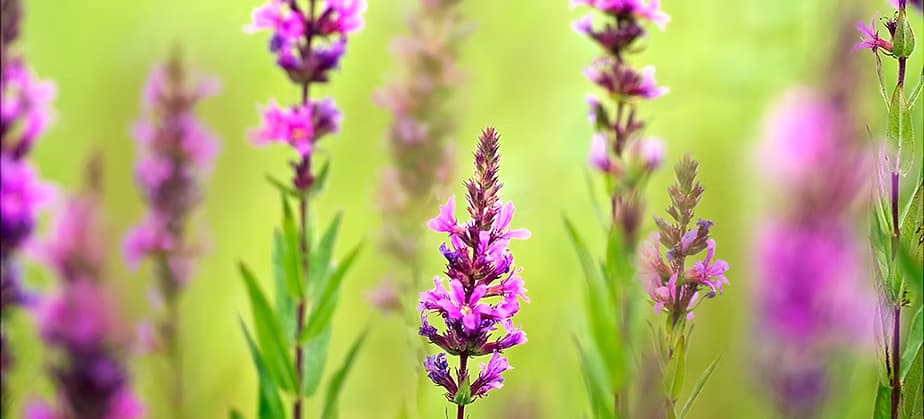
Purple loosestrife quickly establishes and spreads, outcompeting and replacing native grasses and other flowering plants that provide high quality food and habitat sources for wildlife. It forms dense stands that restrict native wetland plants and alters the structural and ecological values of wetlands. (Pennsylvania's Field Guide to Aquatic Invasive Species)

Purple Loosestrife

Lythrum salicaria

Purple loosestrife quickly establishes and spreads, outcompeting and replacing native grasses and other flowering plants that provide high quality food and habitat sources for wildlife. It forms dense stands that restrict native wetland plants and alters the structural and ecological values of wetlands. (Pennsylvania's Field Guide to Aquatic Invasive Species)

Photo Credit: © Rosane Miller / Flickr
Home | iMapInvasives Network